


Our History
A Short History of Symondsbury Estate
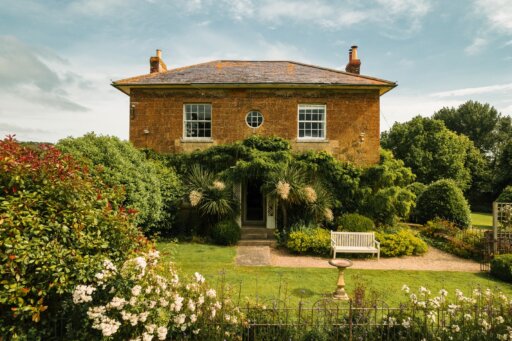
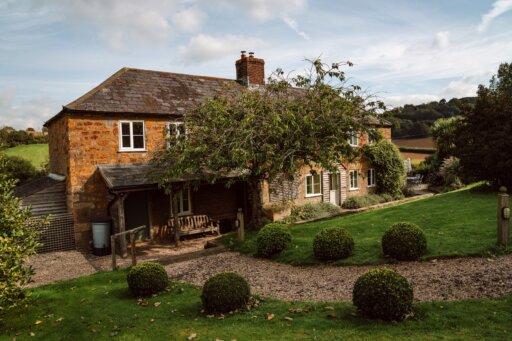
Symondsbury Estate has been in the Colfox family for four generations. Around 150 years ago, the family began acquiring land – earlier owned by figures such as the Abbot of Cerne and Duke of Somerset – in small parcels forming a consolidated estate around Symondsbury. In 1900, William Colfox, a retired Bridport wool merchant, purchased the nearby manor house and 800 acres from John Pitfield. In the 1920s, his grandson William Philip Colfox renamed the land Symondsbury Estate and championed organic farming long before the term became widely recognised, continuing until he died in the 1960s.
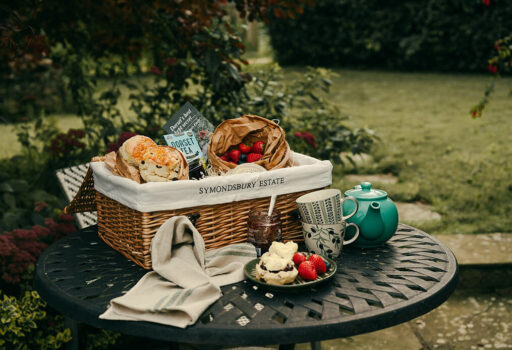
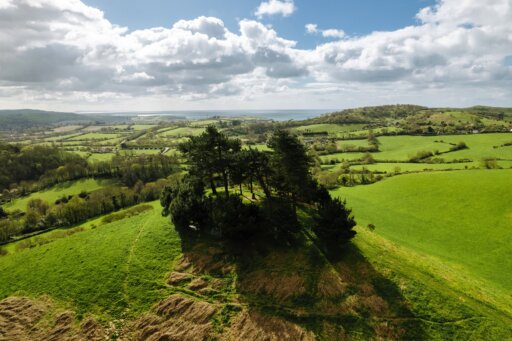
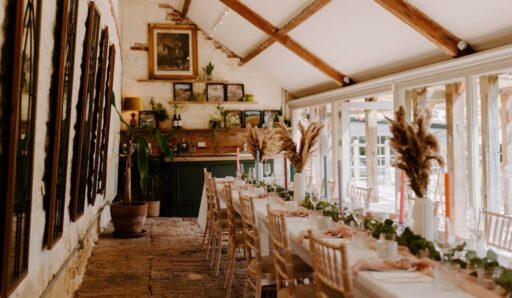
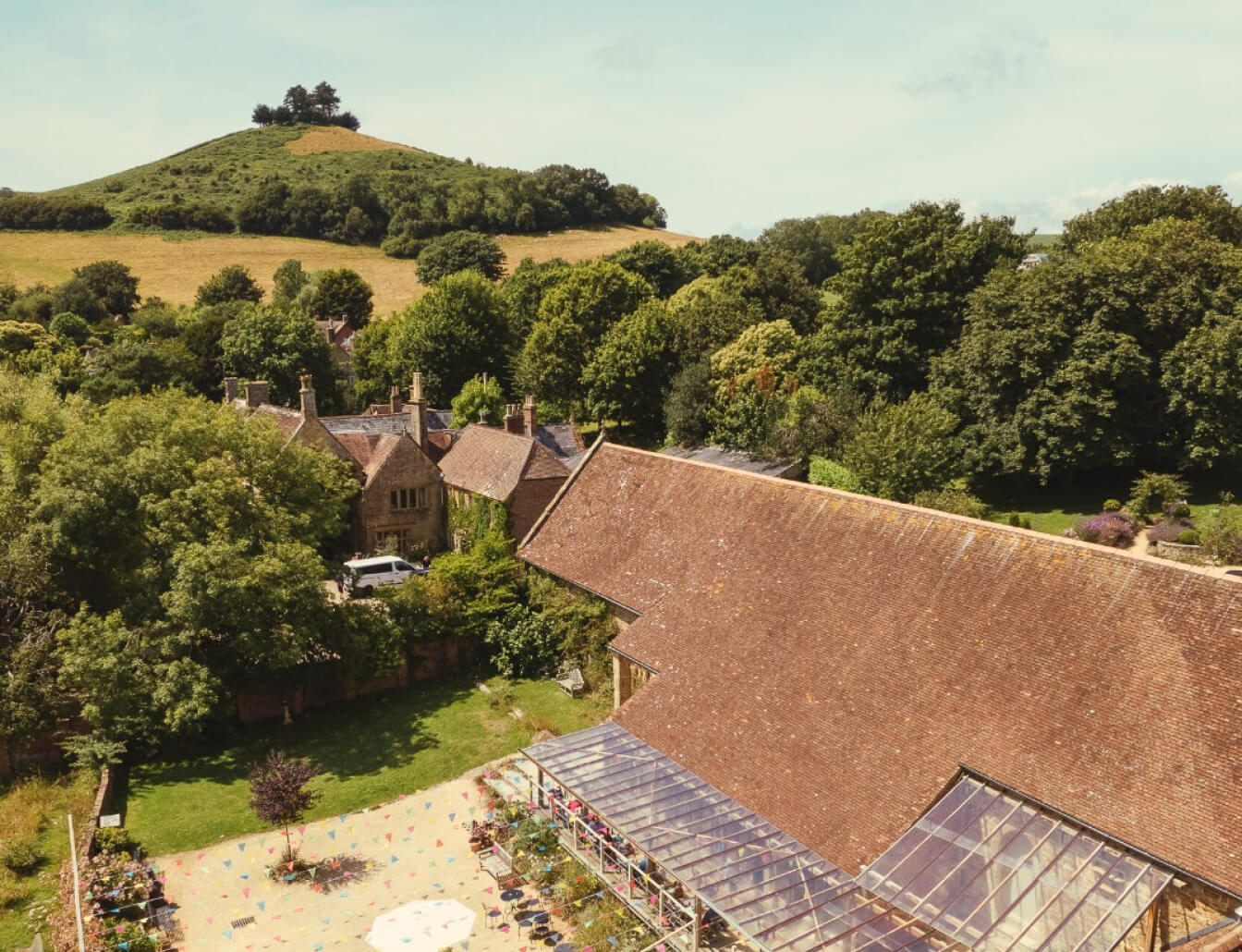
Sir William “John” Colfox, William Philip’s son, was born on the Estate in 1924 and became a professional farmer after working with horses in Denmark post-WWII. He expanded the Estate with two dairies, Dorset Horn sheep, pigs and hundreds of acres of crops. Today, the Estate is under the care of Sir John’s son, Sir Philip John Colfox, and his wife, Lady Julia (née Schomberg). Philip, who helped on the farm as a child, returned in 1993 to work alongside his father and took over in 1997. Together, Philip and Julia have transformed Symondsbury into a popular visitor destination. Old farm buildings now house holiday cottages, a café, and boutique shops, creating a vibrant hub in West Dorset where guests can explore its beautiful countryside, rich wildlife and Estate-grown food.
The Colfox Family: A Potted History
The Colfox family has deep roots in the area, dating back to at least 1280, when Robert Colfox was mentioned in local records. The Colfox name also appears in Chaucer’s The Nonne Preestes Tale. By the early 19th century, Thomas Collins Colfox (1755–1835), a Bridport merchant, was a key figure in the wool trade. He built St John’s Wharf in London, owned ships and established global trade routes, exporting West Country wool to Madeira. He traded it here for fortified wine and then exchanged it for cod in Newfoundland before returning to London.
As the wool trade waned by the mid-19th century, his grandsons Thomas (1823-1886) and William (1826-1906) shifted focus to acquiring land and property. Through marriage, the family also entered the fine china trade. Thomas Collins Colfox’s son-in-law, Andrew Abbott, was a one-time partner to Josiah Wedgwood, co-owned a Fleet Street shop selling the fine china of Wedgwood contemporary, John Turner the Elder, and was a Fellow of the Royal Society of Arts. Abbott eventually returned to Bridport and the business passed on to the Colfox family, which still treasures some of his Turner china and a pattern book to this day.